
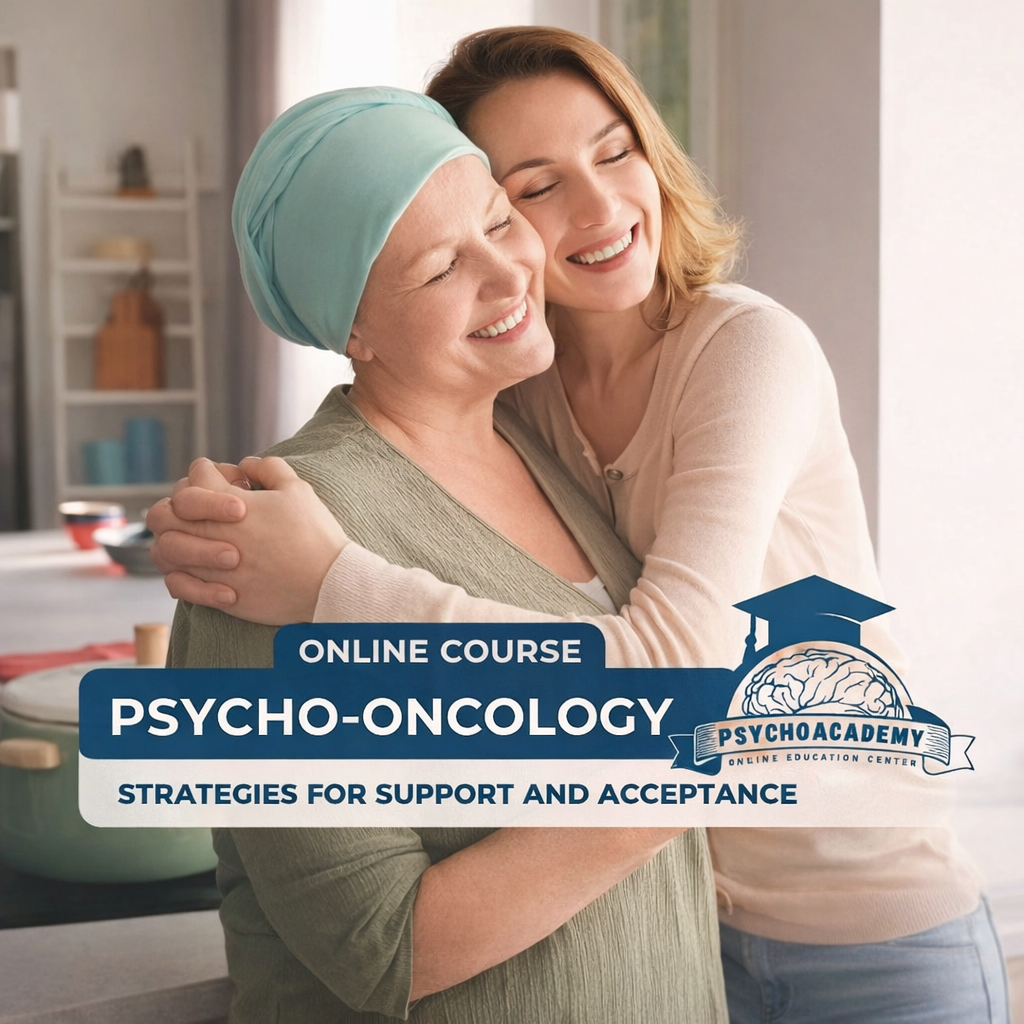
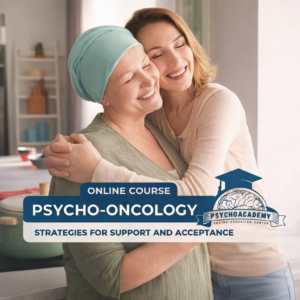
Psycho-Oncology: Strategies for Support and Acceptance
Learn how to communicate supportively and understand the psychological impact of cancer — in a clear, structured, and practical way.
Cancer affects much more than physical health. It often changes emotions, relationships, identity, daily functioning, and decision-making within families. Many people who want to help — professionals and non-professionals alike — feel unsure what to say, how to respond, or how to be supportive without making the situation harder.
This course is designed to provide understanding and practical communication guidance so you can approach emotionally difficult situations with more clarity and confidence.
It focuses on supportive communication, emotional awareness, and psychosocial understanding — not medical treatment or psychotherapy.
────────────────
What You Will Be Able to Do After This Course
After completing the program, you will feel more prepared to:
• talk with someone recently diagnosed with cancer without avoiding the conversation
• respond when a person expresses fear, anger, or uncertainty
• support a distressed family member in a calm and respectful way
• understand common emotional reactions to diagnosis and treatment
• communicate supportively without giving medical advice
• manage emotionally heavy conversations with greater composure
• recognize caregiver stress and emotional overload
The course does not train you to provide clinical or healthcare services.
It helps you better understand and communicate.
────────────────
Who Will Benefit From This Course
You may find this course especially helpful if:
• you work with people and sometimes conversations about illness feel overwhelming
• you want to support someone with cancer but don’t know what to say
• you are afraid of saying the wrong thing in serious situations
• you support others and feel emotionally drained afterward
• you want structured guidance instead of guessing how to respond
• you want to better understand emotional reactions to serious illness
No prior psychology education is required.
The course is suitable for:
• psychologists, therapists, counselors, and mental health workers
• healthcare and support professionals
• students of psychology, healthcare, or social sciences
• caregivers, family members, and patient advocates
• anyone interested in supportive communication and psychosocial wellbeing
────────────────
What Problems This Course Helps You Understand
This course helps you better understand:
• why some patients withdraw emotionally after diagnosis
• why reassurance sometimes increases distress
• why families disagree during treatment decisions
• how serious illness affects identity and relationships
• why caregivers often experience guilt, exhaustion, or frustration
• how emotional reactions may change during different stages of illness
────────────────
Course Structure
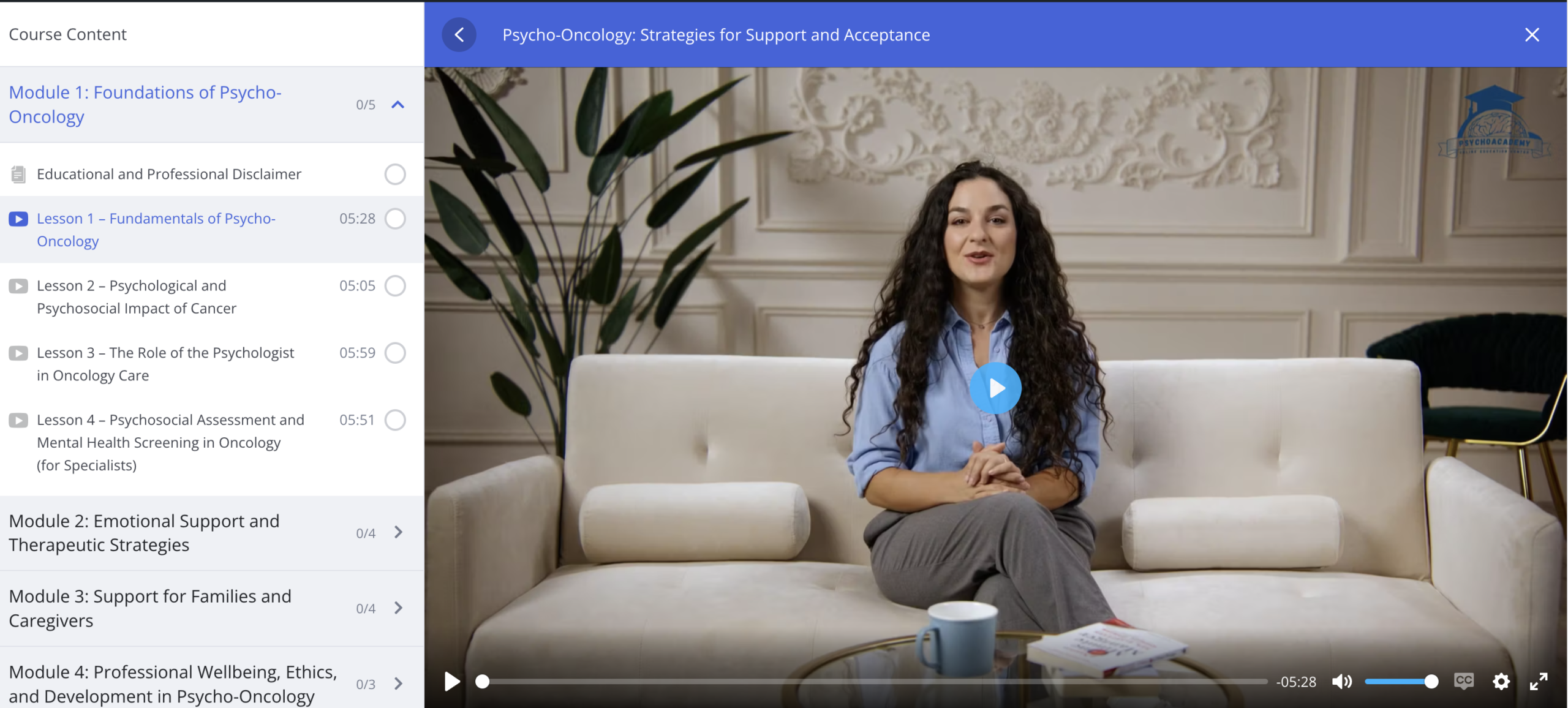
The program is organized into four structured modules:
Module 1 – Foundations of Psycho-Oncology
Psychological impact of cancer, emotional reactions to diagnosis, interdisciplinary cooperation, assessment principles, and planning supportive actions.
Module 2 – Emotional Support Strategies
Supportive communication, active listening, anxiety and stress understanding, relaxation techniques, cognitive-behavioral and acceptance-based approaches, and mind-body supportive methods.
Module 3 – Support for Families and Caregivers
Family dynamics, caregiver stress, communication challenges, conflict resolution, shared decision-making, and supporting children and adolescents.
Module 4 – Professional Development and Ethics
Self-care strategies, burnout awareness, supervision principles, peer support, and ethical boundaries in supportive roles.
Each module includes structured lessons, applied exercises, and reflection prompts to help you integrate knowledge into real-life situations.
Estimated learning time: approximately 18–25 hours
Format: video and audio learning + reading materials
You can learn at your own pace.
────────────────
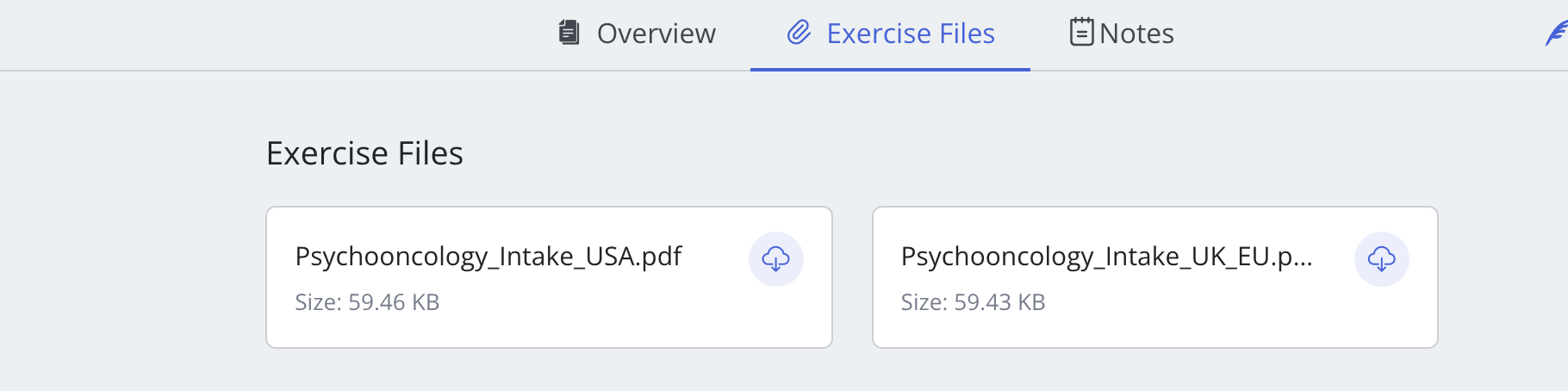
Ready-to-Use Support Tools (Downloadable Materials)
Included resources designed for practical use:
• conversation guidance sheets
• emotional response checklists
• caregiver support worksheets
• case studies and realistic scenarios
• structured reflection exercises
• intervention planning templates
• printable supportive handouts
These materials can be used for learning, supervision discussions, and personal development.
────────────────
This Course Is NOT
• a medical training program
• psychotherapy training
• a clinical certification
• authorization to provide healthcare or psychological services
• a heavy academic lecture series
This Course IS
• a structured understanding guide
• focused on supportive communication
• accessible for non-clinicians
• suitable for gradual, self-paced learning
────────────────
Important Educational Notice
This course is designed to improve understanding and supportive communication, not to replace professional healthcare services.
The course is provided for educational and informational purposes only.
It does not provide medical or psychological diagnosis, therapy, treatment guidance, or professional certification. Participation does not authorize individuals to provide clinical, psychological, or healthcare services.
Individuals experiencing medical or mental health concerns, including cancer-related distress, should seek support from a licensed healthcare or mental health professional.
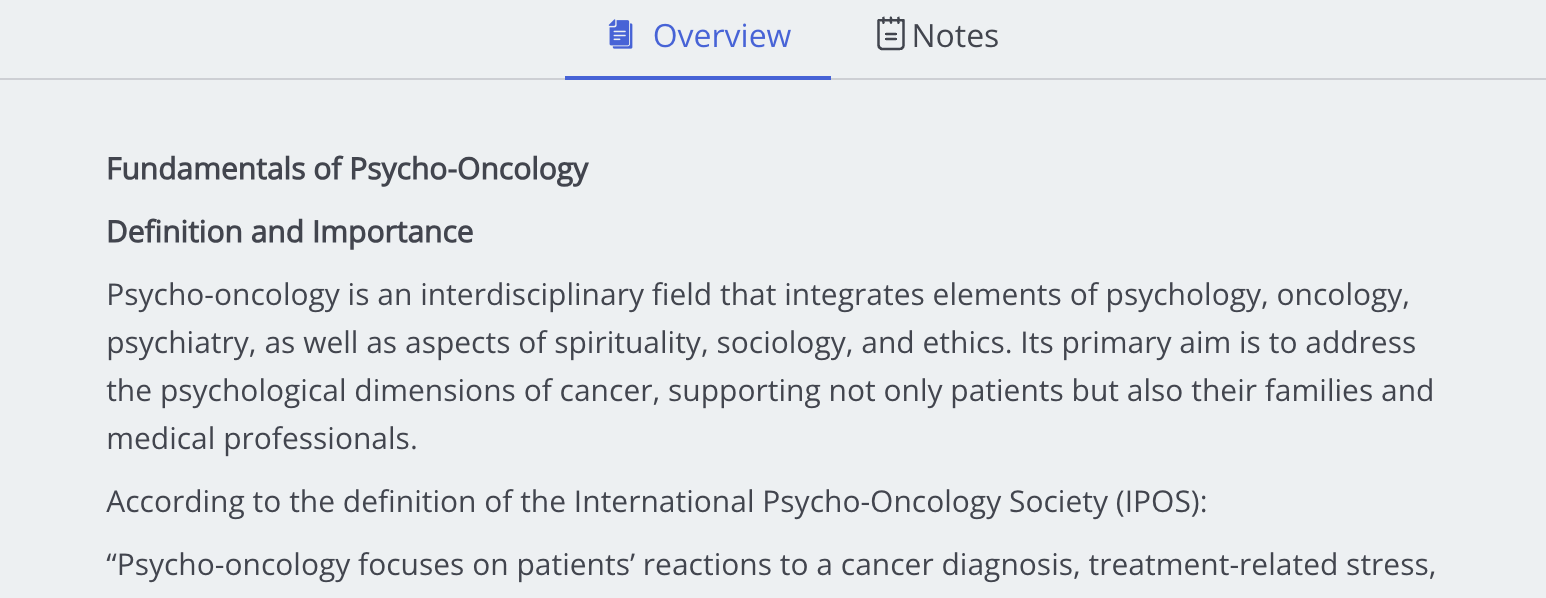
What a lesson looks like
Reviews
There are no reviews yet.